
Imagine this: Stockholm, a mild summer day in 1628. Hundreds of onlookers crowd the quay as the largest and most magnificent warship Sweden has ever built sets out majestically on its maiden voyage. The Vasa, named after the ruling royal dynasty, is a symbol of power, technology, and craftsmanship and becomes the greatest ship disaster of its time. For us model builders, the Vasa is not just a fascinating piece of history but also a true highlight for the workbench. Join us on a journey through the history of the Vasa!
A Ship of Superlatives—and Mistakes
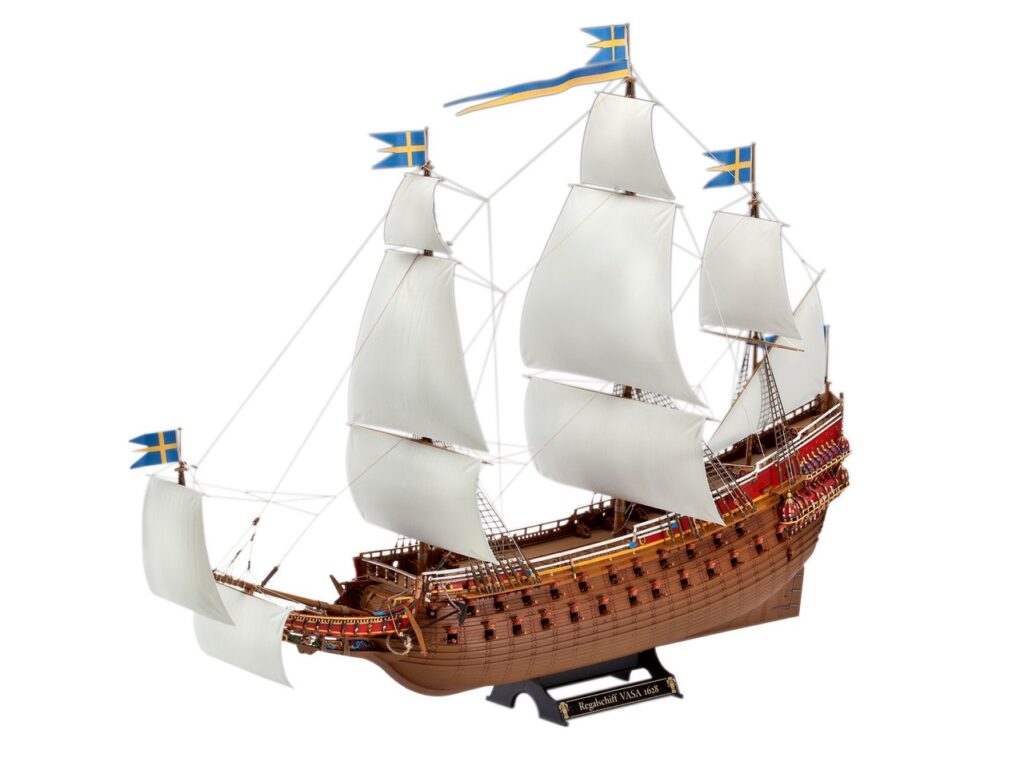
The Vasa was no ordinary ship. Measuring over 60 meters in length, with three massive masts, 64 cannons, and more than 700 gilded sculptures on its hull, it was meant to dominate the Baltic Sea and make Sweden a naval power. King Gustavus Adolphus of Sweden had grand plans: The Vasa was intended as the flagship for the war against Poland-Lithuania, right in the midst of the Thirty Years’ War, during which Sweden sought to expand its influence.
But problems arose during construction. Different units of measurement Swedish and Amsterdam feet—were used, leading to asymmetries in the hull. The Vasa was too narrow, built too high, and had a center of gravity that was far too high. The standard stability test at the time—30 men running from one side to the other—had to be stopped because the ship rocked dangerously. But no one dared to tell the king the truth.
The Tragic Maiden Voyage
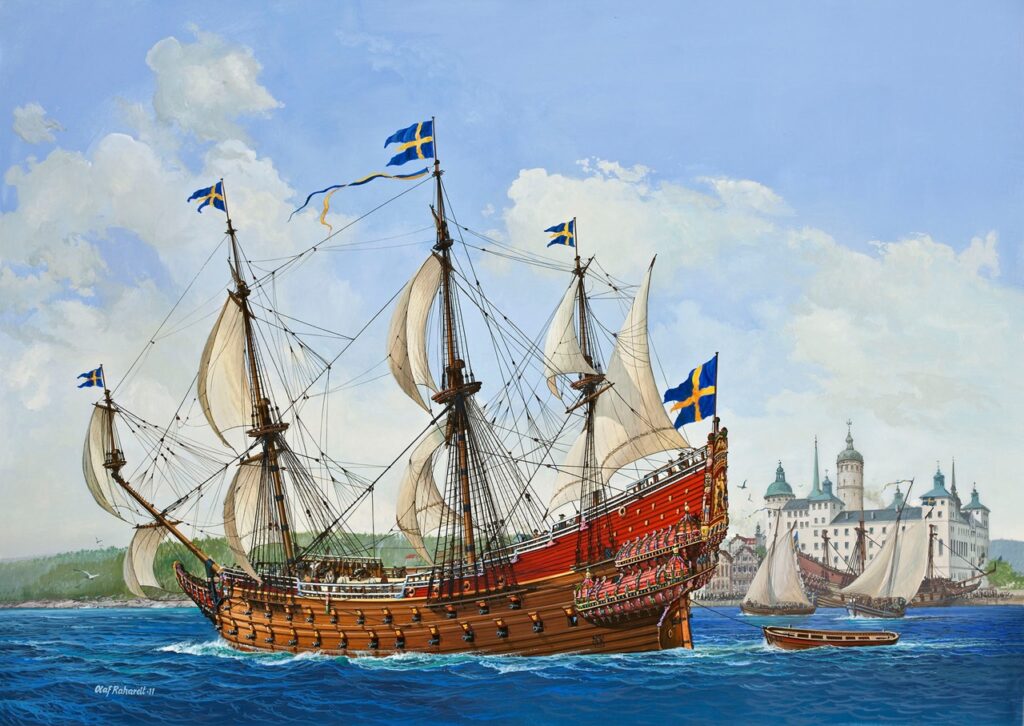
On August 10, 1628, the time had come: The Vasa set sail to great cheers. Only three of its ten sails were set when a gust of wind caught the ship. The Vasa heeled to port, righted itself briefly but a second gust finally threw it off balance. Water rushed in through the open gun ports, the ship capsized and sank—after just 1,300 meters and about 20 minutes at sea.
Between 30 and 50 people lost their lives. An inquiry sought someone to blame, but in the end, it was clear: it was a combination of design flaws, lack of communication, and the pressure to please the king. After the sinking, divers plundered the wreck, salvaging tools and cannons with primitive diving bells a real adventure job in the 17th century.
The Vasa as a Symbol—and What We Can Learn from It
Today, the Vasa is more than just a sunken ship. It stands for the consequences of communication problems and the courage to admit mistakes. Many historians see the Vasa as a memorial to the importance of speaking up about concerns, a topic that’s still relevant in the modern working world.
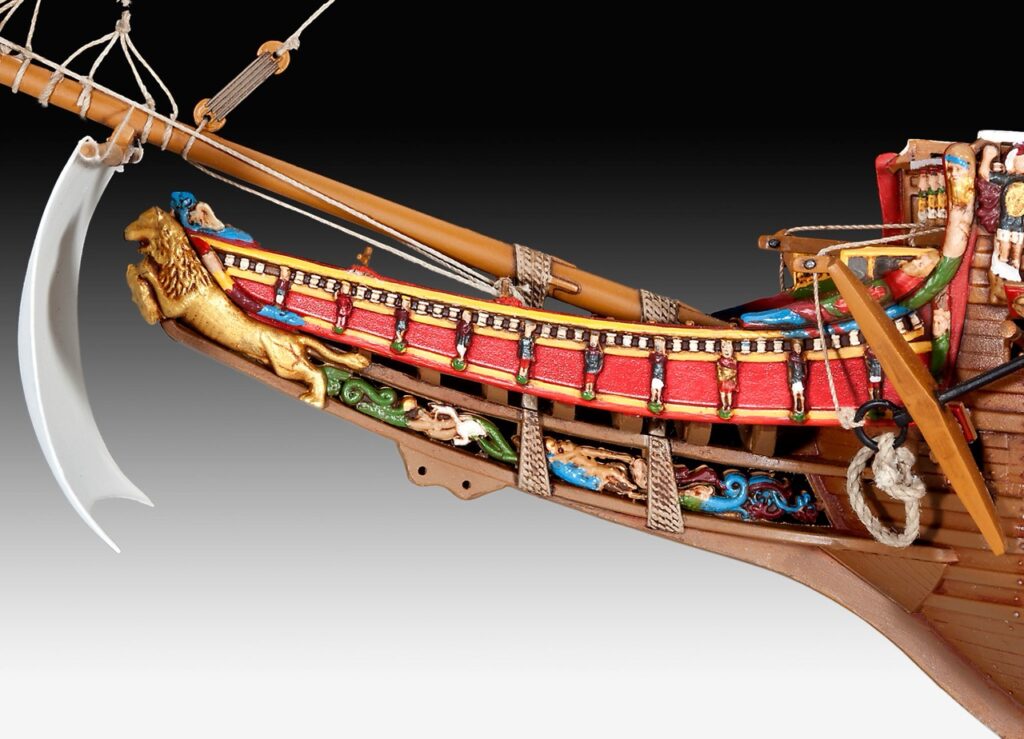
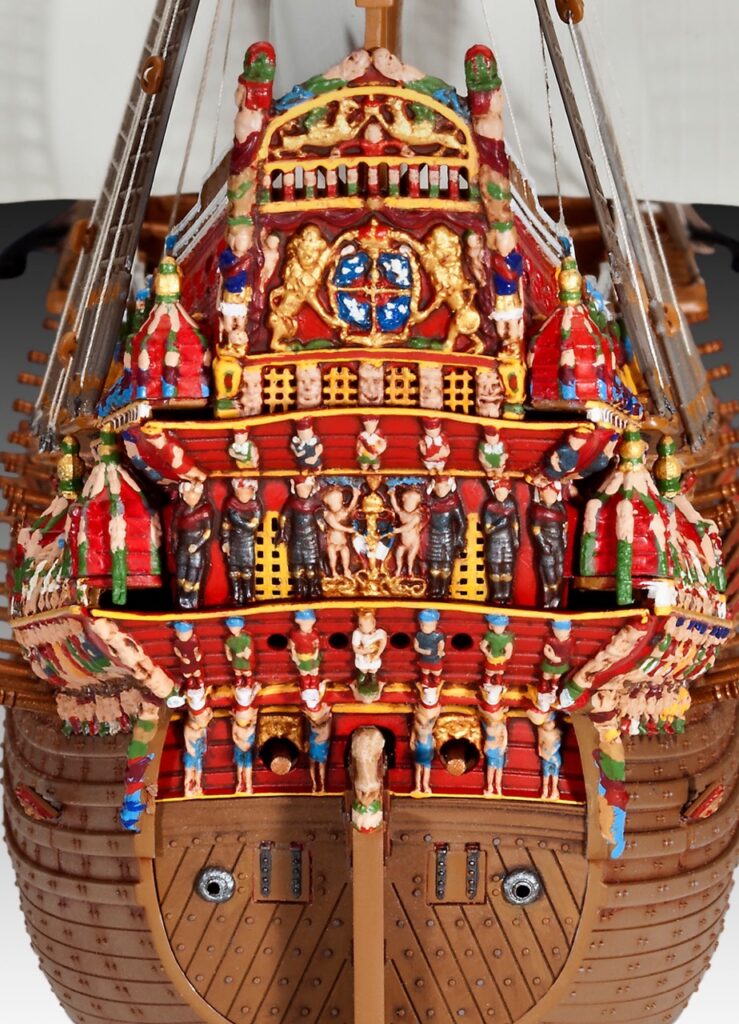
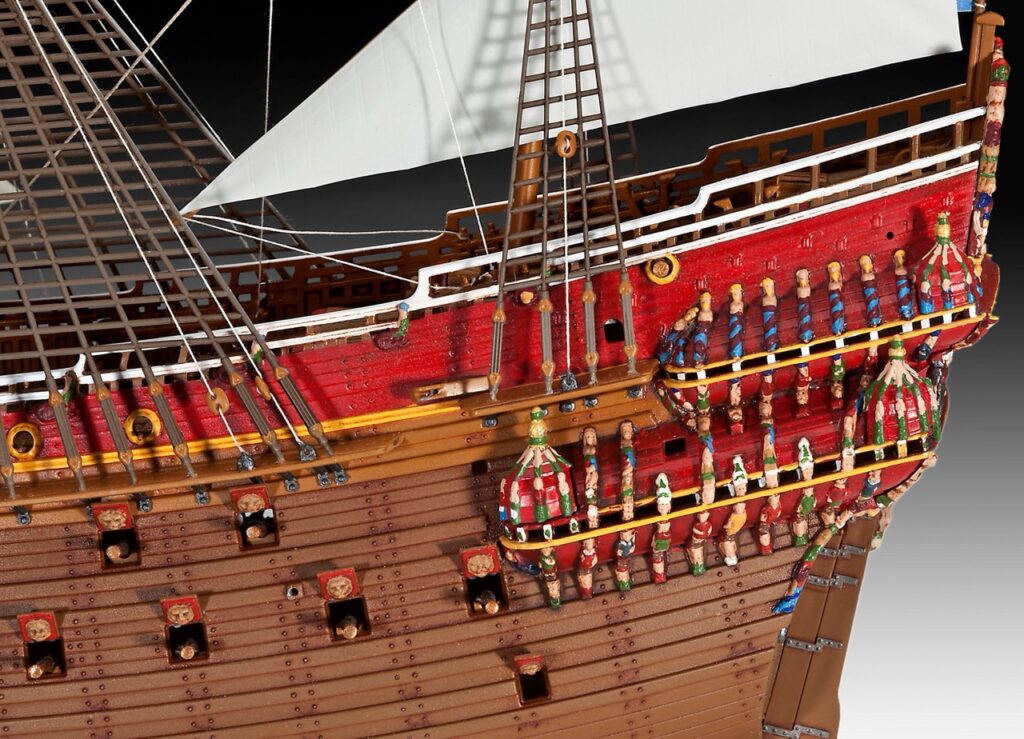
The Vasa was not only a warship but also a floating work of art: Over 700 sculptures, many of them gilded, adorned the ship. They depicted biblical scenes, lions, warriors, and even caricatures of the king’s enemies.
For over 300 years, the Vasa lay in Stockholm’s brackish waters until it was spectacularly salvaged in 1961. Thanks to the low oxygen levels, the wood was astonishingly well preserved. Today, it is the centerpiece of the Vasa Museum in Stockholm an absolute must for all ship and model building fans. The Vasa is the only almost completely preserved ship from the 17th century. Its state of preservation is unique worldwide.
The Vasa Model—A Masterpiece for Your Workbench
For us model builders, the Vasa is a dream project. The Revell kit in 1:150 scale (item number 05414) brings a piece of Swedish history into your living room. And: Our marine painter Olaf Rahardt not only examined the original in Stockholm but also saw “his” kit in the museum shop 🙂

Olaf Rahardt in the museum shop of the Vasa Museum in Stockholm in front of “his” Revell painting
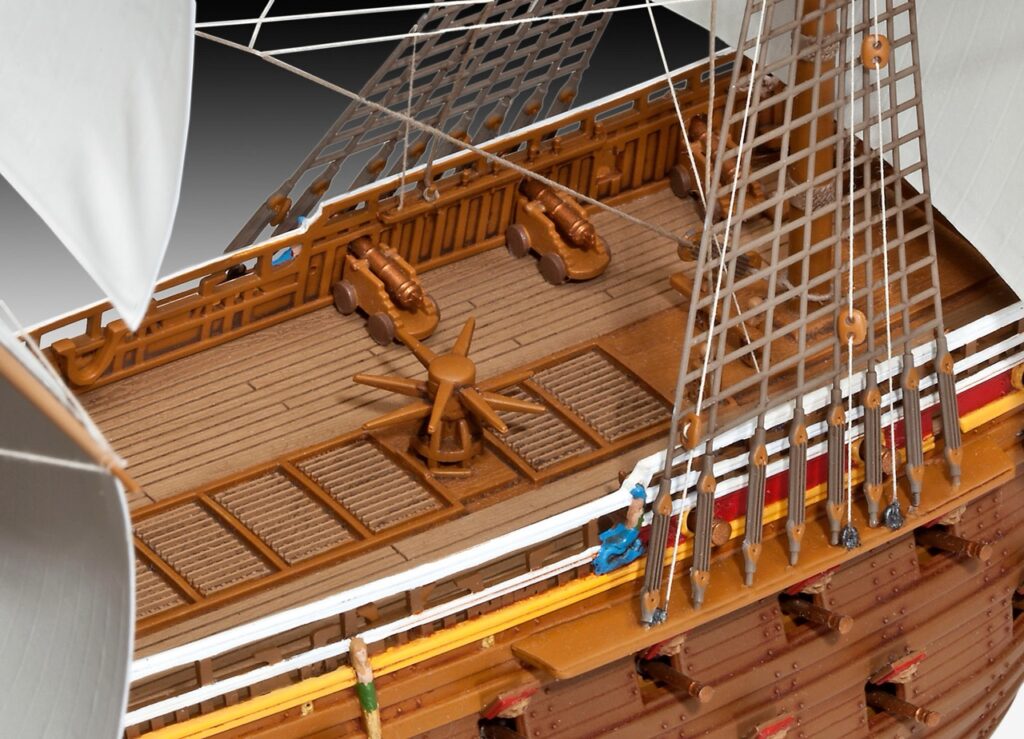
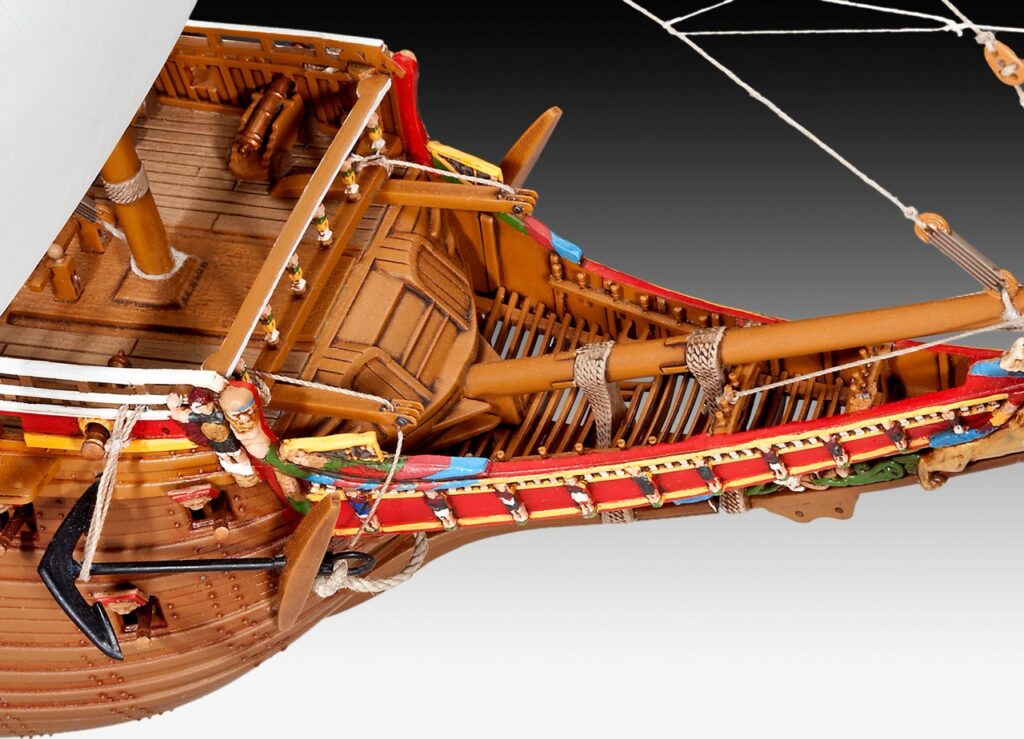
With 330 parts, a length of 45.5 cm, a height of 34.5 cm, and a width of 8 cm, the kit offers everything a modeler’s heart desires:
- Detailed hull with authentic decorations
- Artistically designed stern with delicate sculptures
- Precisely crafted masts and rigging with pre-made shrouds
- Authentic cannons with separately designed gun ports
- Textured sails and two different rigging thread strengths
- Colorful flag sheet and high-quality display stand
The assembly instructions are detailed and multilingual, so even less experienced modelers will manage well. However, painting is a real challenge especially the many golden and colored ornaments on the stern and sides require patience and a steady hand…
Sailing ship VASA in the Revell Shop
Tips and Tricks for Building Your Vasa
- Preparation is everything: Sort the parts, study the assembly instructions carefully, and plan the painting steps in advance.
- Painting the ornaments: Use fine brushes and acrylic paints for the delicate sculptures. Many modelers recommend applying the base colors first and then working with gold and other accent colors.
- Rigging: The rigging is demanding, but with the pre-made shrouds and two types of rigging thread, it will look authentic.
- Cannons and gun ports: For more depth, you can paint the inside of the ports red and the background black for a realistic effect.
- Patience: Allow plenty of time—the painting and assembly of the Vasa is not a weekend project. Many modelers report working on their model for months, sometimes even a year.
The Vasa—Model Building with History
Building the Vasa brings a piece of world history to your workbench. You’ll not only experience a challenging construction project but also dive deep into the era of great sea battles, political intrigue, and technical challenges. The Vasa is a symbol of human ambition, mistakes—and the fascination that great ships inspire. So: grab your brushes, modelers—and enjoy building your own Vasa!
Inspiration for Building
In this video, you’ll get an almost half-hour tour around the ship at the Vasa Museum in Stockholm: