
The anticipation is building for Revell’s upcoming 1:144 scale NASA Artemis Space Launch System (SLS) kit, a model that not only captures the excitement of humanity’s return to the Moon but also showcases the intricate process of modern model kit design and production. And: We were able to keep it a secret for a suprisingly long time 🙂 Thanks to exclusive insights from Luke at the Revell team, we can take a closer look at the decisions, challenges, and innovations that shape this impressive kit.
Design Philosophy: Balancing Accuracy and Buildability
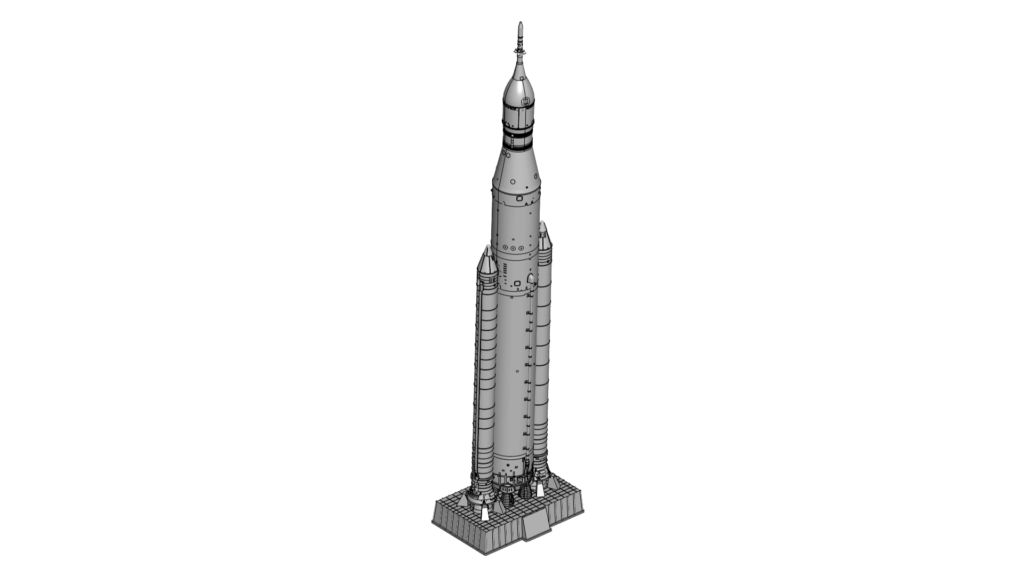
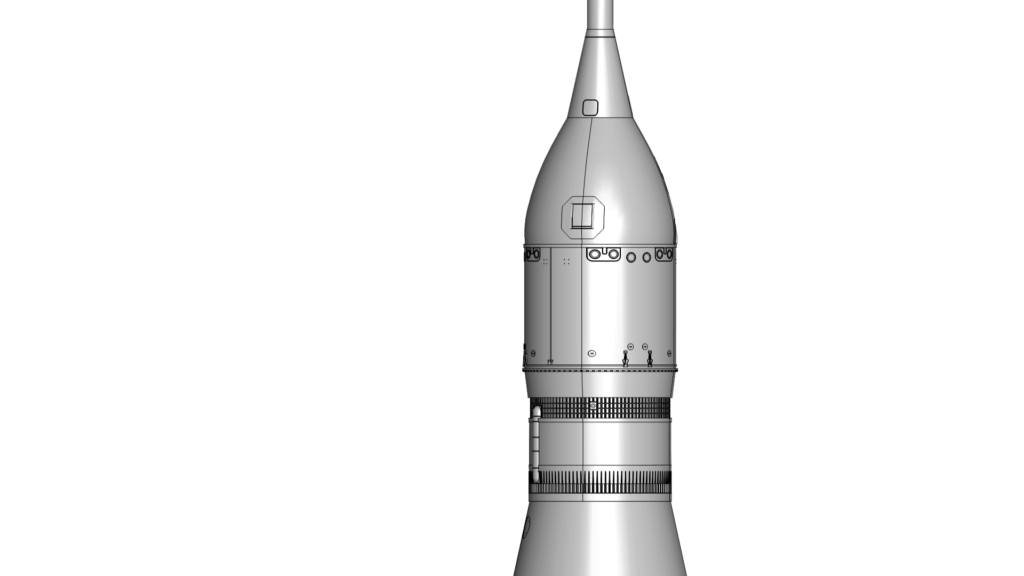
Revell’s new SLS kit is the result of extensive CAD development, with the design team striving for a balance between authentic detail and practical buildability. As Luke explained in Revell Model Kit Nws Episode 07, the kit is designed to represent the SLS as it appears on the launch pad, standing tall and ready for launch. This means certain internal elements, such as the Orion capsule (which is largely hidden inside the rocket at this stage), are omitted for practicality at this scale. The focus is on the visual impact and display value of the finished model, which is a priority for most builders
Tooling Decisions: Color Molding vs. Builder Preference
One of the most interesting debates within the Revell team concerns how the kit should be molded:
Color Molding or all-grey option? There’s an ongoing discussion about whether to mold the core stage in orange and the boosters/top section in white, to match the real rocket’s appearance. This approach would make the kit more appealing to younger or casual builders who might want to assemble the model without painting
More experienced modelers often prefer kits molded entirely in grey, allowing for custom painting and weathering. Revell is considering both approaches and is even inviting feedback from the modeling community on which option they’d prefer. (You find the contact detail at the end of the article)
This attention to the builder’s experience whether novice or expert is a hallmark of Revell’s Level 4 kits, which are designed to be accessible yet rewarding for a wide range of modelers.
Engineering Challenges: Detail at Scale
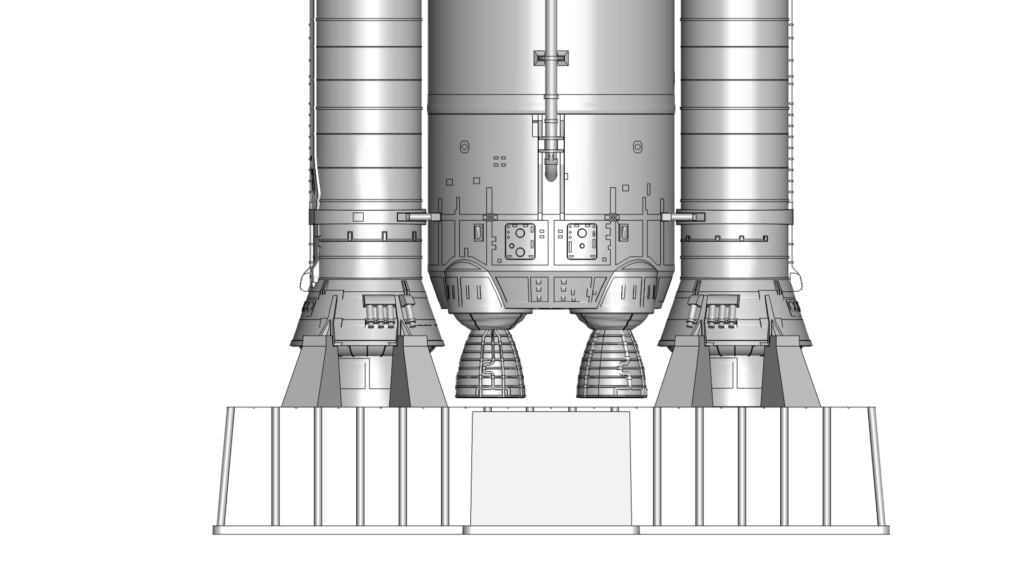
At 1:144 scale, capturing the SLS’s complex details is no small feat. Luke notes that the team has worked closely with designers to ensure the model is both accurate and practical to build. Some compromises are necessary due to the small size of certain components, but the kit aims to offer a satisfying level of detail, including:
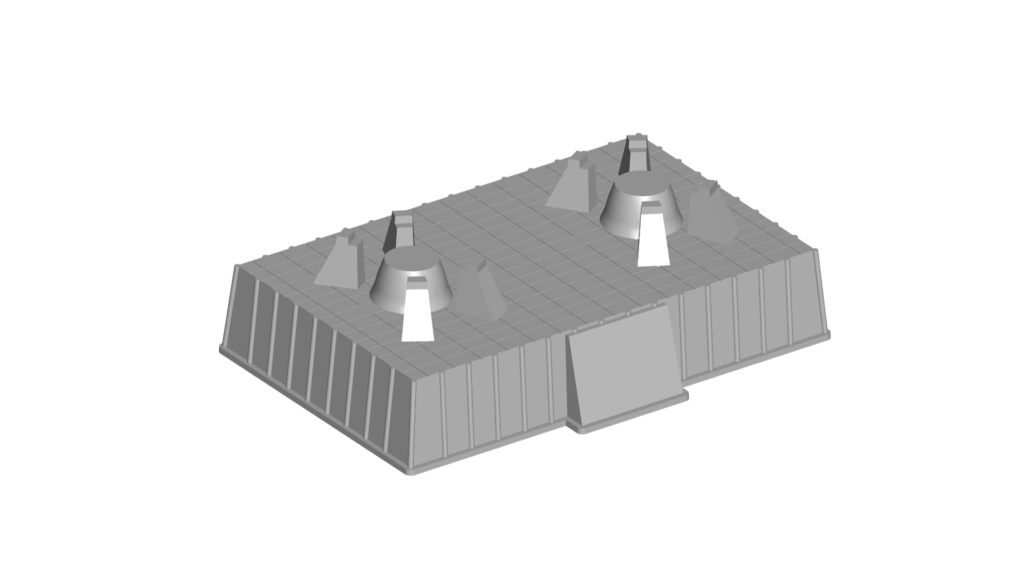
- A display stand inspired by the real SLS mobile launcher
- A plaque for the base, with a mission badge and key stats in a “Top Trumps” style (height, power, etc.)
- Accurate representation of the rocket’s unique structure, such as the boosters sitting lower than the main engines, just like the real SLS at launch
Display Considerations: A Towering Presence
The finished model stands approximately 680 mm tall—an imposing height that will require a generous display space. While not quite as tall as Revell’s classic Saturn V in 1:144 scale (which stands at 775 mm), the SLS will still make a dramatic centerpiece for any collection. The team has ensured the stand is robust and stable, making it easy to display this impressive rocket upright.
Historical Context: The Artemis SLS and the New Space Age
The NASA Artemis Space Launch System is the most powerful rocket ever built, designed to carry astronauts beyond low Earth orbit and back to the Moon as part of the Artemis program. Artemis II (scheduled for September 2025) and Artemis III (planned for 2026) will mark humanity’s return to lunar exploration, paving the way for future missions to Mars.
The SLS represents a new era in space exploration, combining the legacy of Apollo with cutting-edge technology. With this kit, Revell not only celebrates the Artemis missions but also invites modelers to become part of this historic journey of the new space age.
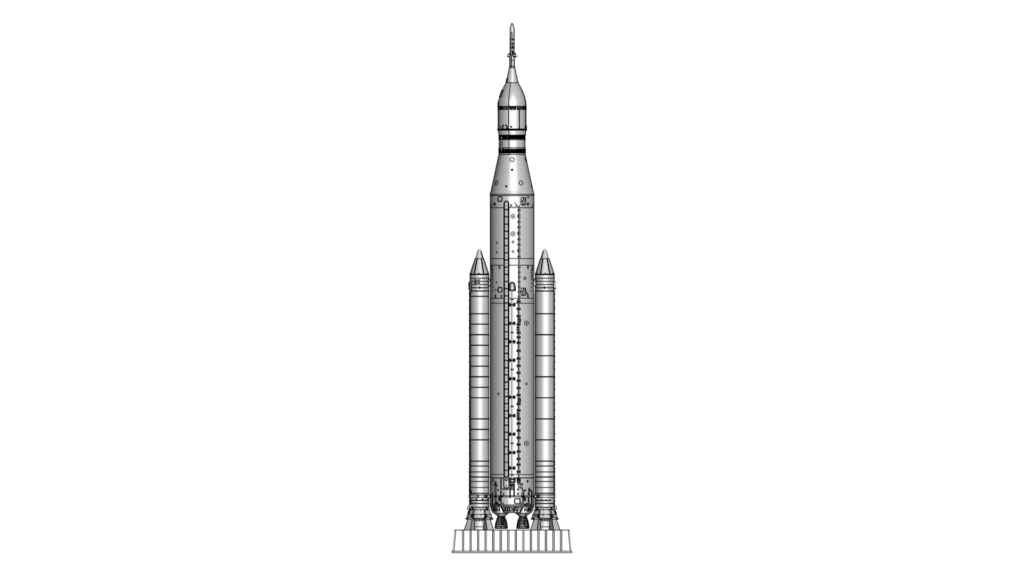
NASA’s Space Launch System (SLS) isn’t just a rocket—it’s a 21st-century colossus
It is a fusion of engineering audacity, political drama, and the relentless human urge to explore. Towering at 322 feet, the SLS Block 1 stands taller than the Statue of Liberty and nearly rivals the legendary Saturn V. Its future Block 2 upgrade will stretch even higher, eclipsing a 30-story building. But it’s not just about size; it’s about power. At liftoff, SLS Block 1 unleashes a staggering 8.8 million pounds of thrust—15% more than the Saturn V, making it the most powerful rocket NASA has ever built. Imagine the combined force of 160,000 Corvette engines or 13,400 locomotives, all roaring at once.
Yet, the SLS is as much a child of legacy as it is of innovation. Its heart—the core stage—beats with four RS-25 engines, veterans of 135 Space Shuttle flights, now upgraded for even more thrust. The twin solid rocket boosters, also Shuttle descendants, have been stretched with an extra segment, making them 25% taller and far more powerful. These engines operate in extremes: from the icy grip of -423°F to the searing heat of 6,000°F, with turbopumps spinning at a dizzying 35,000 RPM—almost double that of a Formula 1 car.
The SLS is a heavy lifter, capable of hoisting 70 metric tons to low Earth orbit in its initial form, and a mind-bending 130 metric tons in its final Block 2 configuration—more than any rocket in history. With this brute strength, SLS can send the Orion spacecraft, four astronauts, and a hefty cargo load directly to the Moon, opening the door to the Artemis program and future journeys to Mars.
The people and politics behind the SLS
But the SLS story isn’t just about hardware—it’s about the people and politics that shaped it. Born from the NASA Authorization Act of 2010, the rocket was as much a product of legislative compromise as of engineering genius. Lawmakers insisted that NASA use existing Shuttle and Ares hardware and preserve the workforce, ensuring jobs and industrial capacity survived the Shuttle’s retirement. Senator Bill Nelson, a key champion, would later become NASA Administrator, overseeing the very rocket he helped mandate.
The road to launch, however, was anything but smooth. The SLS faced over two dozen delays, with its first uncrewed Artemis I flight slipping nearly six years past its original 2016 target. Technical gremlins ranged from sensor malfunctions to stubborn hydrogen leaks—and even hurricanes. At one point, NASA had to extend the allowable time that the solid rocket boosters could remain stacked, a rare move in the world of rocketry.
One of the most dramatic moments came during the “Green Run” test at Stennis Space Center—a fiery trial where the SLS core stage’s four RS-25 engines were fired for a full eight minutes, simulating an entire launch. In those 480 seconds, the engines devoured enough propellant to drain an Olympic swimming pool and several baby pools for good measure.
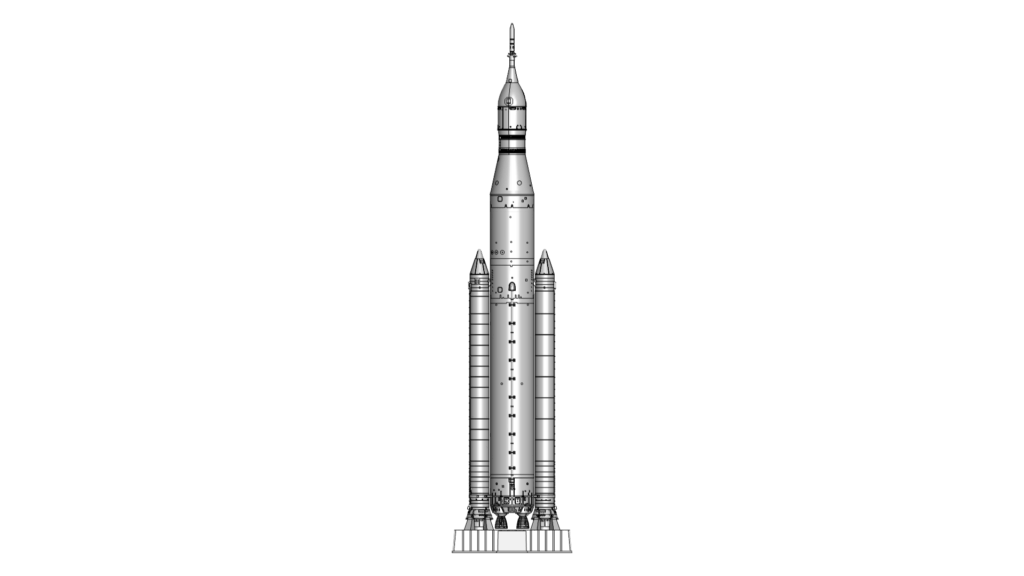
The SLS is a rocket of superlatives. Its solid rocket boosters burn five tons of propellant every second—their heat, if harnessed, could power 92,000 homes for a day. The core’s iconic orange tank is a direct descendant of the Shuttle’s external tank, but now paired with a new upper stage and the Orion spacecraft for deep-space missions. At launch, the SLS’s thrust could keep eight Boeing 747s aloft simultaneously.
The legacy of Apollo and Space Shuttle
Yet, for all its power and heritage, the SLS is designed for evolution. Its modular design allows for upgrades—new upper stages, advanced boosters, and more—to support ever more ambitious missions, from lunar bases to Mars expeditions.
And let’s not forget the Artemis program’s vision: to land the first woman, the first person of color, and international partners on the Moon, setting the stage for humanity’s next giant leap.
To put it in everyday terms, the SLS Block 1 weighs as much as eight fully loaded 747s at liftoff, and its future cargo capacity could carry the weight of 22 full-grown elephants into orbit.
In the end, the SLS is more than a rocket. It’s a testament to what happens when legacy, ambition, and the indomitable human spirit collide. It’s built on the shoulders of Apollo and Shuttle, but it looks squarely toward the future—a future where the Moon is just the beginning.
Conclusion: A Model for the Next Generation
Revell’s NASA Artemis SLS kit is more than just a scale model—it’s a tribute to the spirit of exploration and innovation. Through thoughtful design, advanced tooling, and attention to the needs of both novice and expert builders, Revell is delivering a kit that captures the excitement of the Artemis era.
Whether you’re a space enthusiast, a seasoned modeler, or a newcomer inspired by the next giant leap, the SLS kit promises a rewarding build and a striking display piece. As Revell’s team continues to refine the details, they invite input from the community—so don’t hesitate to share your preferences on color molding or other features.
Get ready to bring the Artemis mission home and celebrate the dawn of a new space age, one part at a time.
Let us know if you have any questions about the kit. Please email info.de@carrera-revell.com with the subject ‘NASA SLS’.