SSB Abraham Lincoln: Ship of Legends from Ocean Depths to Modelers’ Benches
When you think of iconic naval vessels, especially as a modeling enthusiast, nuclear submarines like the USS Abraham Lincoln (SSBN-602) are magnets for your imagination. More than just a feat of naval engineering, the SSB Abraham Lincoln is steeped in fascinating naval history, technological advancement, and tales from the heart of the Cold War.
 Laid down in 1958 at Portsmouth Naval Shipyard, she was the only George Washington-class ballistic missile submarine built at this yard—a detail that already singles her out among her sisters. Her launch in May 1960 was graced by Mary L. Beckwith, Abraham Lincoln’s great-granddaughter, and she was officially commissioned in March 1961. Right from the start, the boat bore the weight and legacy of a historic namesake, setting out to make some history of her own.
The Cold War and the Rise of Ballistic Submarines
Let’s set the stage. The SSBN-602 Abraham Lincoln was born at the height of the Cold War, a time when nuclear deterrence was paramount. Submarines like the Lincoln formed the ultimate insurance policy—hidden, mobile, and packed with Polaris ballistic missiles, their patrols crisscrossed the world’s oceans, ready to respond to any nuclear threat.
Right after her commissioning, the Lincoln set off for a shakedown and missile tests at Cape Canaveral—a taste of things to come. In October 1961, she joined Submarine Squadron 14 and began operating from Holy Loch, Scotland, homeport for much of her early career. During this era, Holy Loch was the gateway to the North Atlantic, and the Abraham Lincoln became just as synonymous with clandestine strength as US resolve itself.
Crisis and Bravery: The Cuban Missile Patrol
The Abraham Lincoln’s real brush with global history came during the Cuban Missile Crisis in October 1962. While docked for a critical overhaul, she received sudden orders to set sail. With the world teetering on the edge of nuclear war, the Lincoln’s Blue and Gold crews braved the unknown, embarking on a 65-day deterrence patrol that would be talked about for decades. As you build or display her model, it’s hard not to imagine her gliding silently through the Atlantic while the world’s fate hung in the balance.
After the crisis, the Lincoln continued almost non-stop patrols, maintaining a relentless deterrence posture. She set a major milestone in 1977, becoming the first ballistic missile submarine to complete 50 strategic deterrence patrols—a legendary achievement.
Across Oceans: A Submarine’s Global Journey
After years of Atlantic and European service, the Abraham Lincoln switched oceans. She underwent major overhauls, first at the Electric Boat Company in Groton, then at Mare Island Naval Shipyard, emerging each time with improved systems and crew comfort. The process of regular refits, patrols, and continuous readiness is a chapter familiar to sub builders: constant improvement and meticulous attention to detail. Abraham Lincoln’s final homeport became Pearl Harbor, Hawaii, and she eventually operated out of Guam, projecting power from the Pacific and maintaining the silent watch through the 1970s.
Her career ended fittingly for a titan of her class—after almost 20 years of continuous patrol, she was decommissioned in February 1981 and removed from the Naval Register the next year.
Stories from the Deep
For those of you who love the human side, the Lincoln’s two-crew system (Blue and Gold) meant she was almost always on patrol, with rare downtime for the sailors. Stories of 50 completed deterrent missions are full of camaraderie: birthday cakes baked under pressure, messages from home delivered mid-ocean, and the steady routine of life in a steel tube that could alter world history at any moment.
Abraham Lincoln’s “Eternal Patrol” website and alumni forums keep alive these tales of service, sacrifice, and sometimes light-hearted moments, like pranks during extended submerged operations.
While the real exploits of the Abraham Lincoln SSBN-602 tend to live in naval lore and sailors’ memories, her famous namesake, President Abraham Lincoln, has appeared endlessly in literature, film, and television—sometimes giving friendly confusion to researchers and modelers! The submarine itself, less overtly in movies than, say, the USS Nautilus or fictional submarines like in “The Hunt for Red October”, is immortalized by the close-knit sub culture and modeling communities.
Still, her legacy continues in documentaries, naval history projects, and Cold War retrospectives. Online communities and veteran sites keep the Lincoln’s stories alive through memoirs and shared images—a digital extension of the “crew’s mess.” Because of the Lincoln’s historical significance, modelers sometimes spotlight her at shows or in dioramas depicting key Cold War events.
From Blueprints to Benchtop: Building the Abraham Lincoln Model
Now for the hands-on part. Why is the Abraham Lincoln such a great kit subject? Because she embodies the classic “boomer” look and is instantly recognizable for her size, hull shape, and distinctive missile deck.
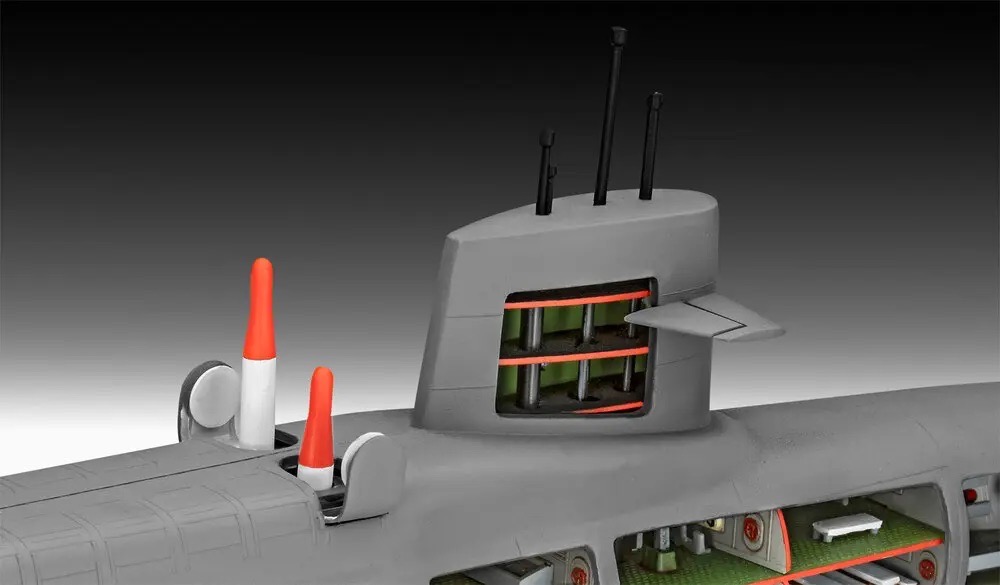
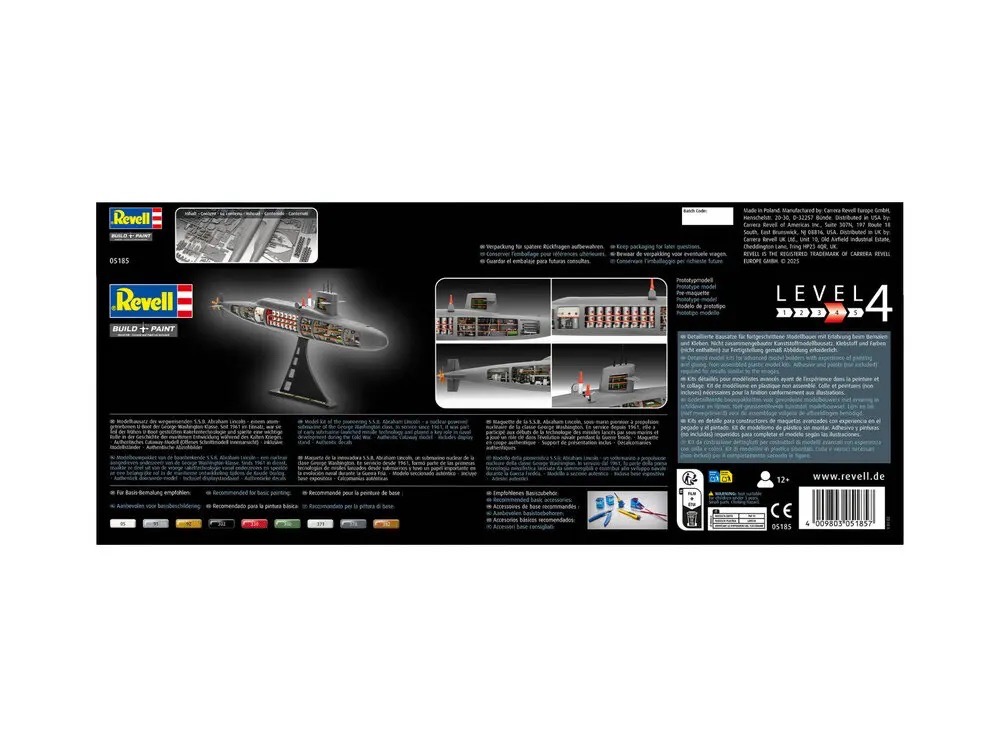
The standout 1:253 kit lets you really zoom in on details—hull lines, conning tower features, and missile hatches. The kit boasts over 150 individual parts, including complete interior fittings. It delivers a rewarding challenge for modelers who love superdetailing, painting tiny consoles, or even scratch-building crew figures or working on simulated missile compartments.
Assembly begins with the two-part hull, often featuring raised panel lines and cast-in vent structures. Enthusiasts will appreciate the inclusion of dive planes, propeller and rudder details that can be further enhanced with aftermarket parts. The conning tower is a treat, refining periscopes, antennas, and railings takes patience but pays off in realism. The Revell kit, for example, offers options for both surfaced and submerged display. With proper painting, washes, and some care with decals, your Lincoln will pop on the shelf.
Here we are talking about the SSB Abraham Lincoln in our Podcast Revell Model Kit News:
For advanced builders, adding weathering, crew figures, or custom base plates adds narrative and context—a real conversation starter at any model show!
Painting and Finishing the Legend
Color accuracy is key: research references show the Abraham Lincoln in classic US Navy black with a hint of anti-fouling red along the keel. Hull weathering, subtle differences in black tones from bow to stern, and muted metallics around the missile deck can bring your finished model to life.
Display ideas include dioramas depicting patrol preparations at Holy Loch, staged “at sea” or interacting with supply tenders—your imagination is the only real limit.
Information about the Model Kit
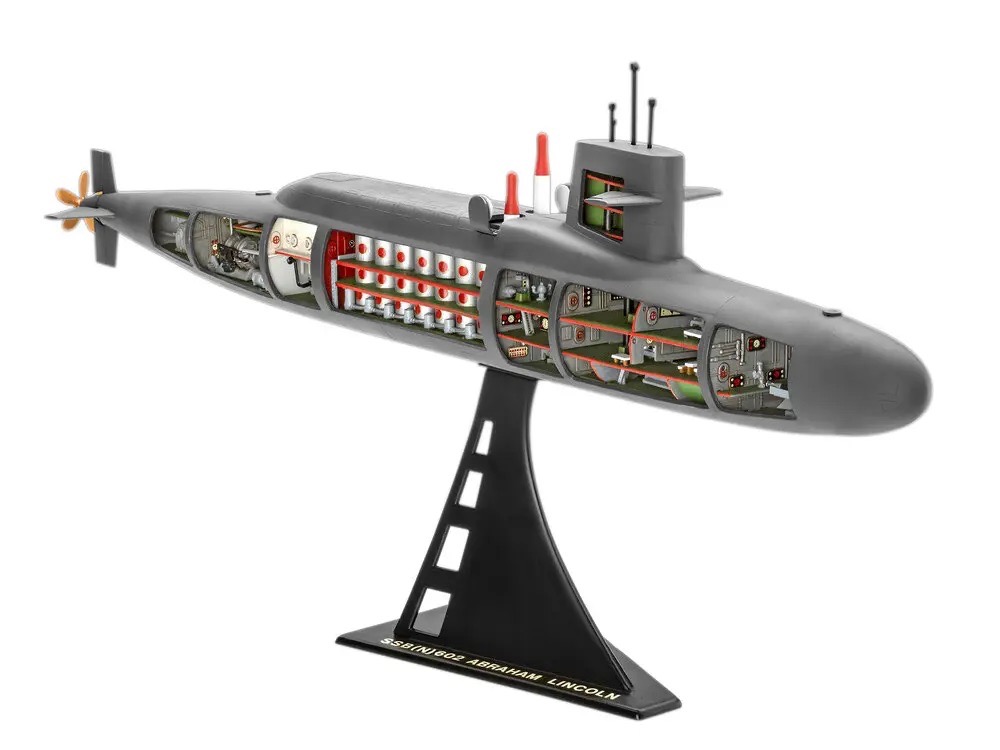
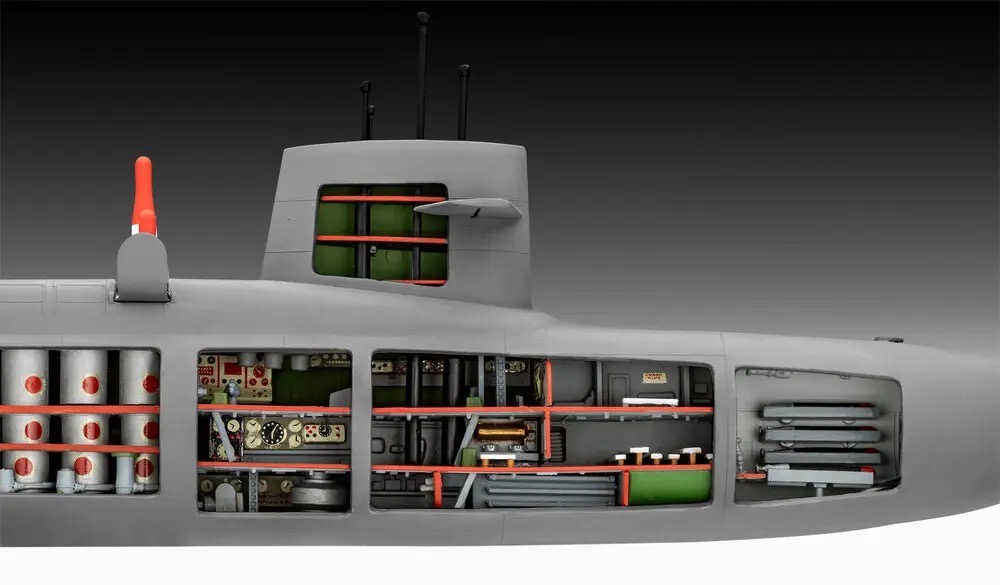
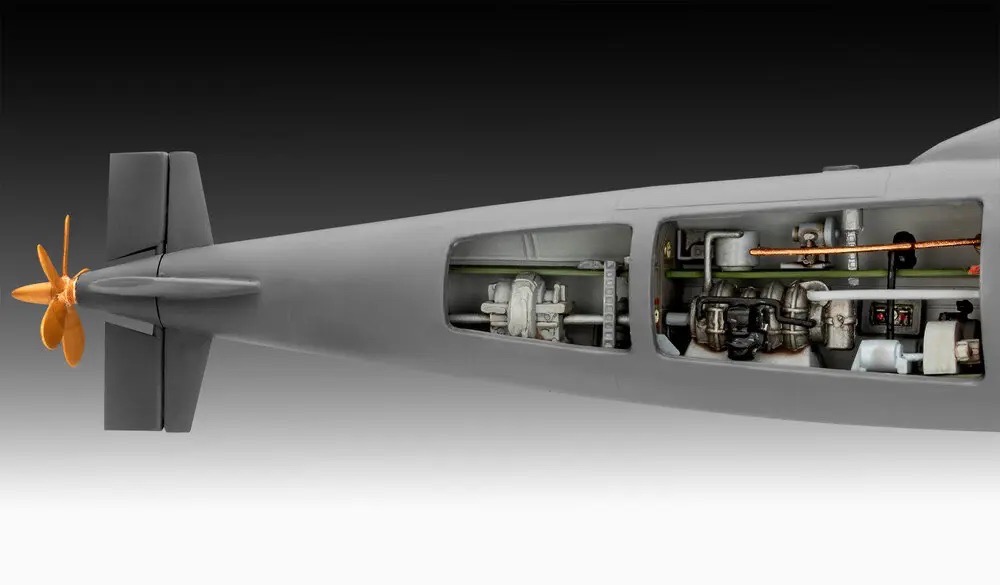
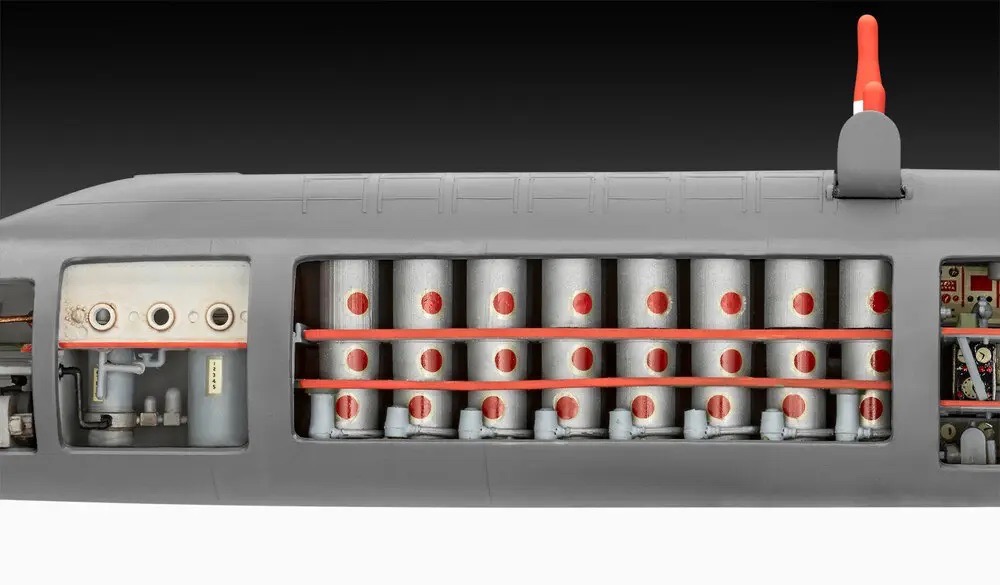
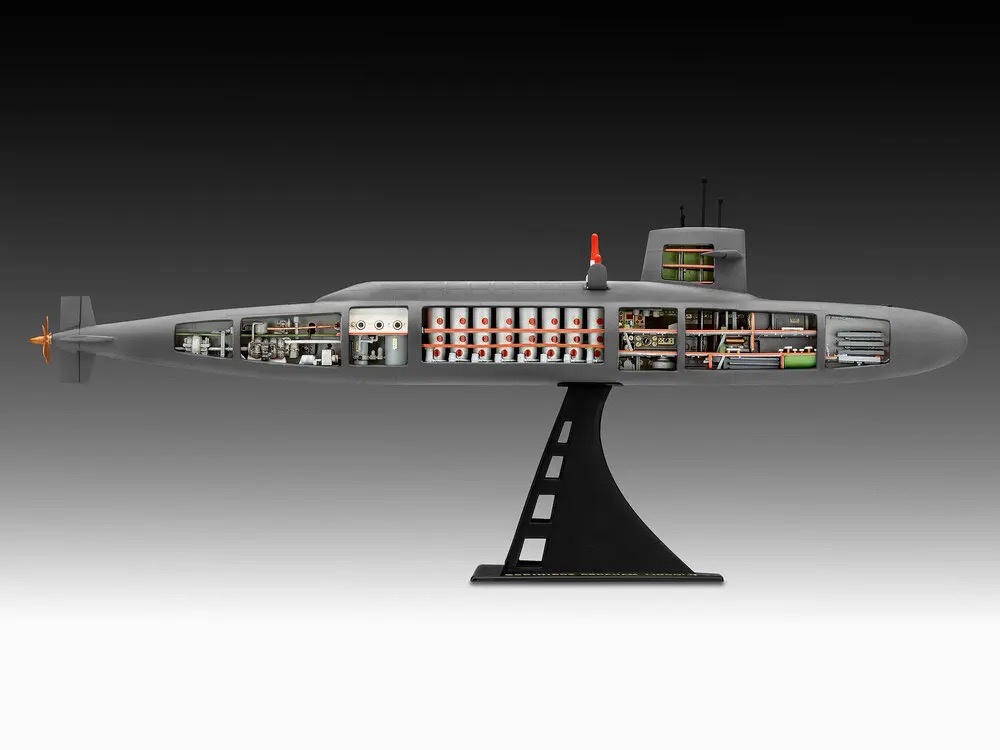
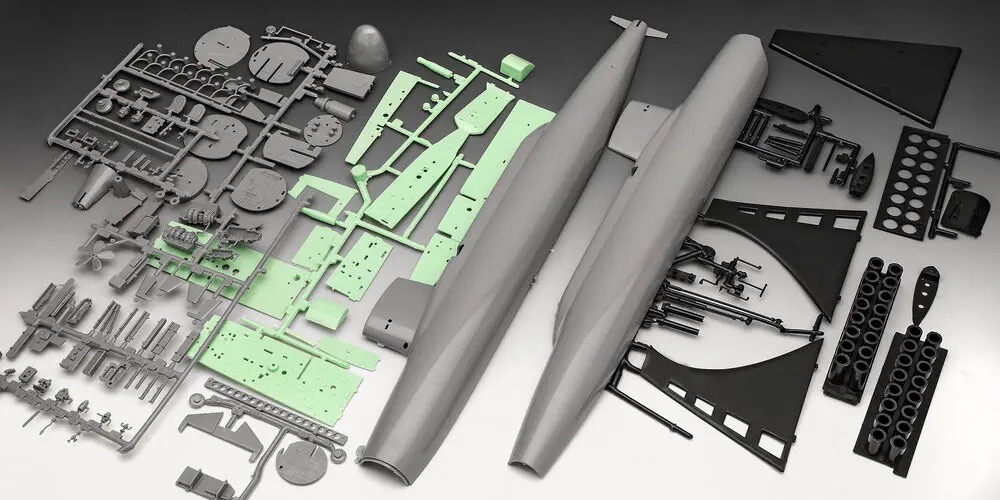
This popular and classic kit of the USS Abraham Lincoln (SSBN-602) is at 1:253 scale and boasts 158 individual parts. On 37 centimeters it features a fully detailed interior, allowing for cutaway open-hull presentations. All the classic exterior fittings are there: missile hatches, periscopes, and propeller. The kit comes with clear instructions and can be an amazing centerpiece both for ambitious beginners ready to step up and for seasoned modelers who want to showcase a classic naval Cold War deterrent. Optional parts let you choose different configurations, and detail painting really brings her to life.
Features of the Modelkit
- 253 scale replica with finely crafted details of the outer skin and tower
- Fully equipped interior with command center, crew quarters and engine room
- Movable rudders and precisely replicated missile silos
- Transparent parts for realistic windows and viewing hatches
- High-quality plastic with a fine surface structure for an authentic look
Scope of delivery
- Detailed plastic kit
- Multilingual, illustrated building instructions with colour specifications
- High-quality decals for authentic markings and markings
- Display stand for optimal presentation