
Here we are, Scale ModelWorld is upon us once more and it leaves us wondering where time goes! As you read these words, the team will be setting up the stand in Hall 2 and preparing for another brilliant weekend surrounded by brilliant models and enthusiasts. It wouldn’t be Telford without an announcement, and we didn’t want to miss out!
We’ll be revealing all our releases for January through to April 2025 via a pamphlet available on our stand, we’ll also have many built examples of the upcoming products. For those not at the show, we’ll have a separate blog being posted at 12:00 (GMT) on the Saturday covering all of the news from the show. We’ll be positioned against the wall in Hall 2 but for more information please refer to the floor plans: https://ipmsuk.org/ipms-scale-modelworld/smw-floor-plans/
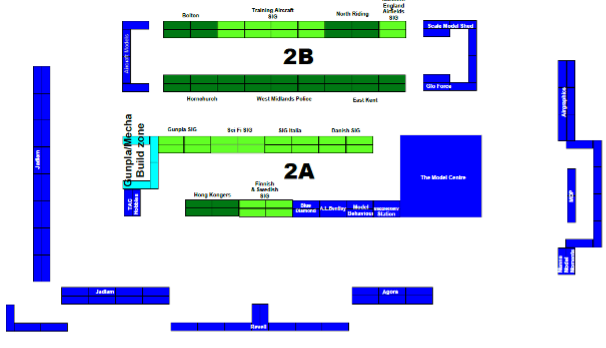
Figure 1: Our stand location within Hall 2 of the Telford International Centre.
If that wasn’t enough to get you excited for the show then we have another announcement! We’ll be releasing a 1:32 Hawker Hunter T.7/T.7A kit in late 2025, this will use the existing single-seat Hunter moulds but with new nose and other parts. Design has started in the last few weeks; it will be based on multiple 3D scans with the primary scan target being XL591 at the marvellous Gatwick Aviation Museum.
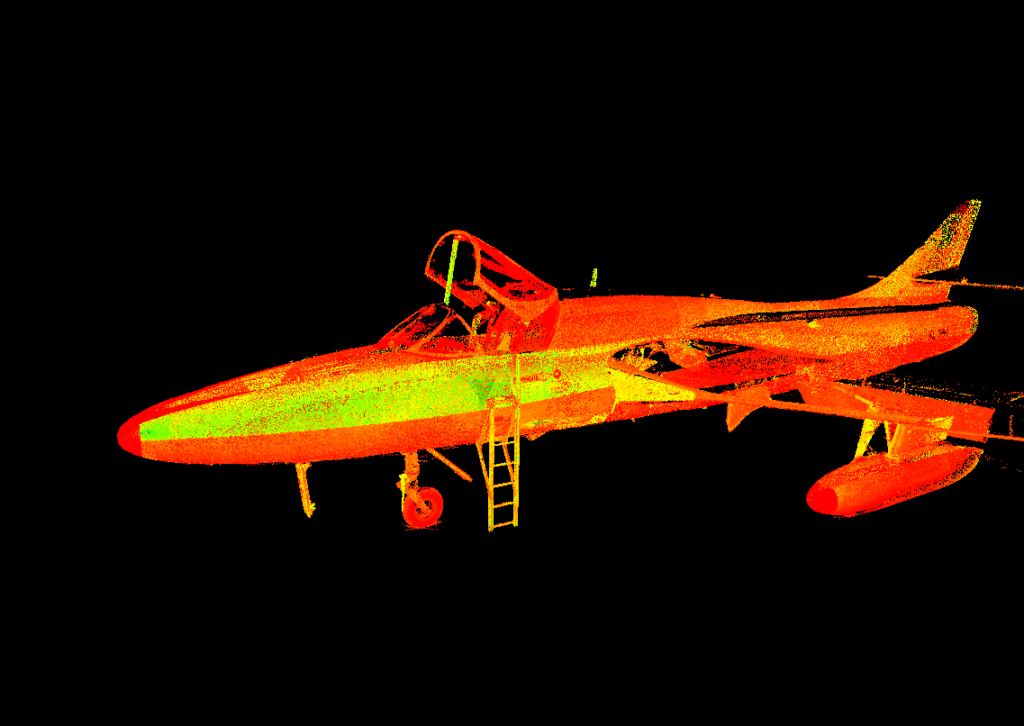
Figure 2: How do you like our colour scheme? This is an intensity map taken from our 3D scan processing.
We took the opportunity to get a few up-close images of the airframe whilst the scanner was going about its business, these will prove invaluable to the designer later in the project. Our main focus was the cockpit but we also got images of lesser photographed areas such as the wheel well and fuselage-nose join. 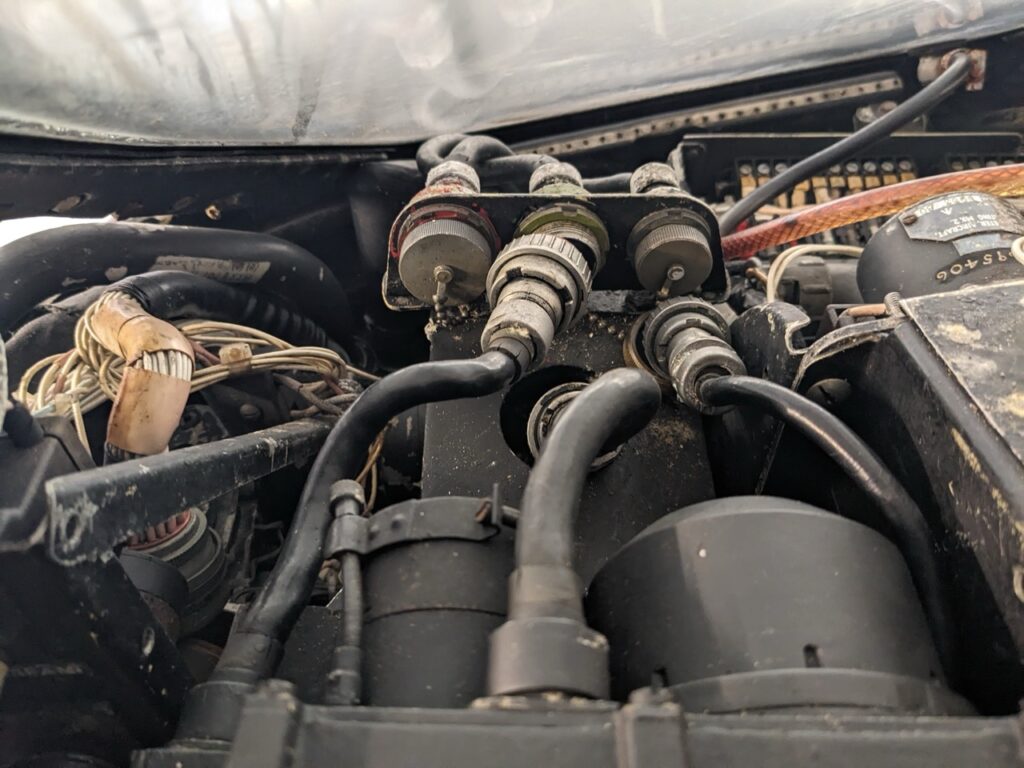
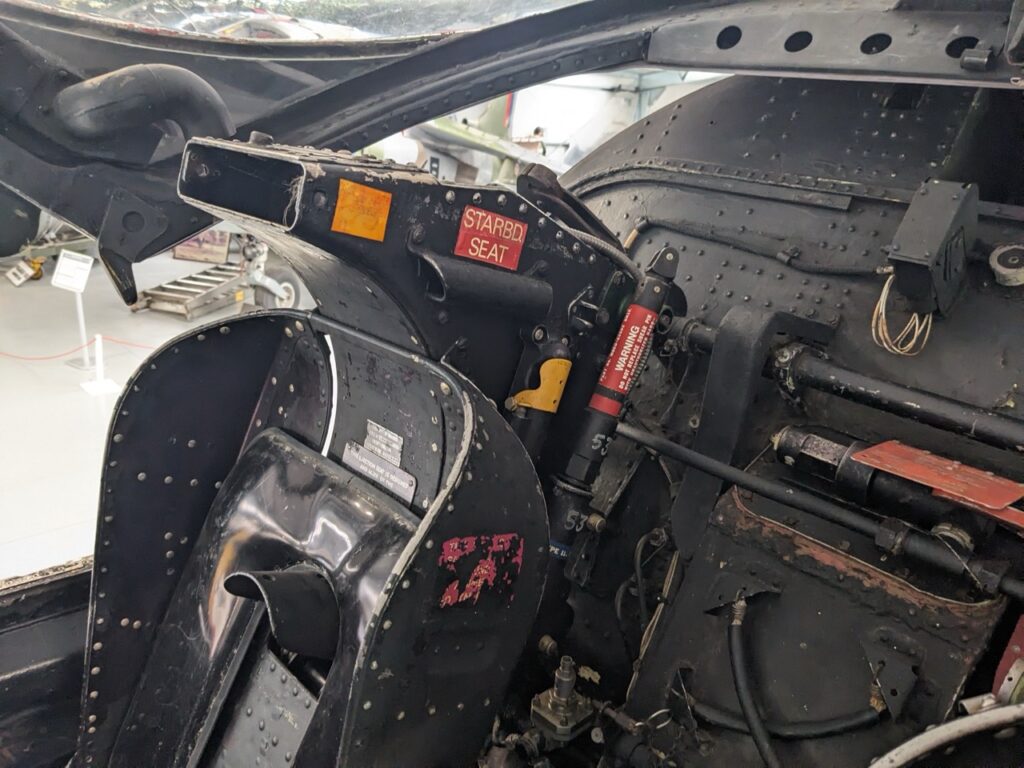
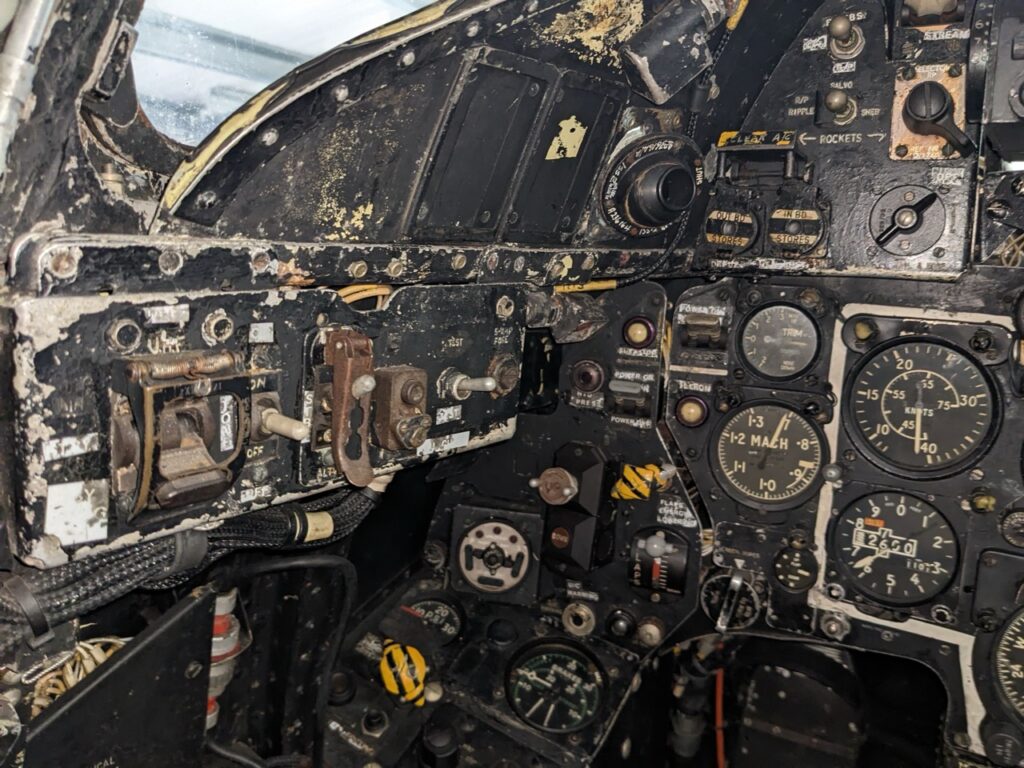
Figure 3: Detail pictures captured during our visit to GAMC.
The original Hunter CAD was not available to us at Revell and unfortunately seems lost to time which has forced us to approach this project slightly different. As well as 3D scanning the real aircraft we also scanned the model parts from the single seat kit. This will allow us to essentially reverse engineer the parts to ensure the new nose and other parts fit to the original kit parts. Of course, we’re not simply relying on the scan/CAD being perfect and following the completion of the design we’ll be doing a lot of prototyping and testing to ensure the fit is as good as possible.
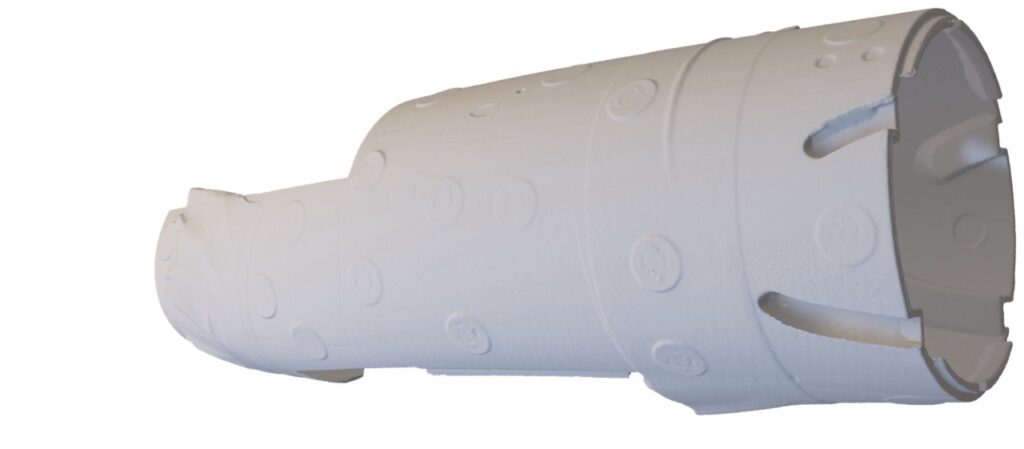
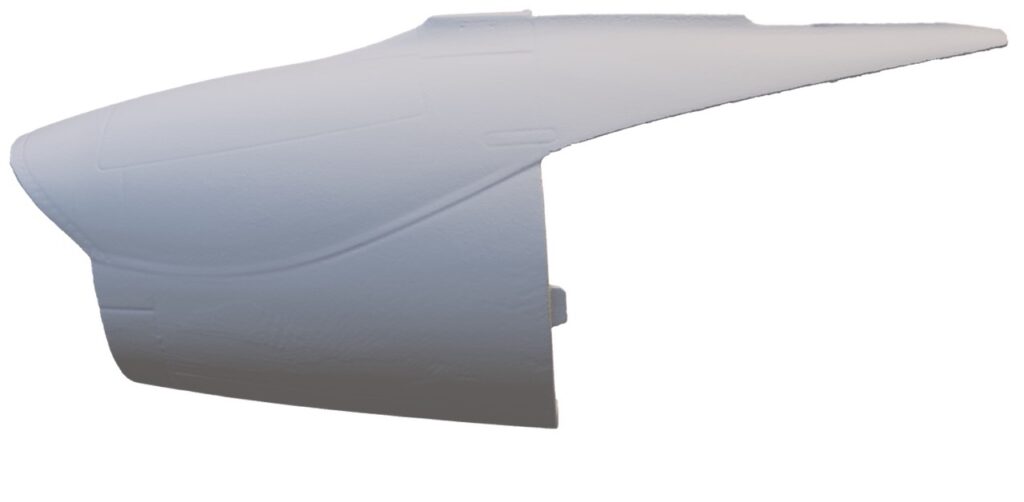
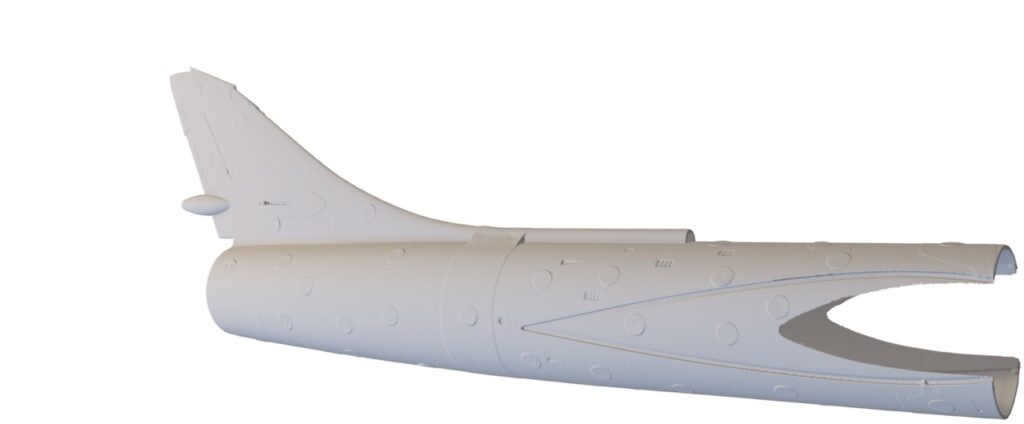
Figure 4: 3D scans of the 1:32 Hunter FGA.9 parts that will now be reverse engineered.
We plan to include three schemes within the initial boxing, two RAF schemes and a single Dutch example to keep things European enough! Rather than simply tell you which aircraft we plan to portray, we asked one of our decal artists to quickly mock up some provisional side profiles so that you can see what we have planned.
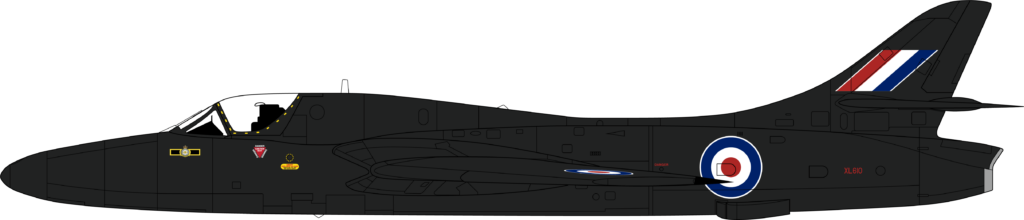
Figure 5: Side profile of XL610, Black Arrows Display Team, No. 111 Squadron, RAF Wattisham, 1960. Flown by Sqn Ldr Peter Latham.
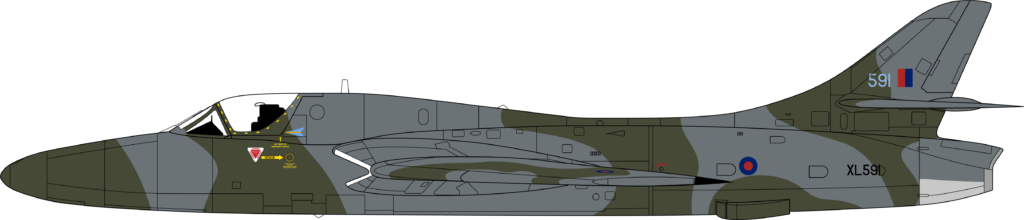
Figure 6: Side profile of XL591, No. 208 Squadron, RAF Lossiemouth, 1990. This airframe now resides at Gatwick Aviation Museum and was 3D scanned for this project.
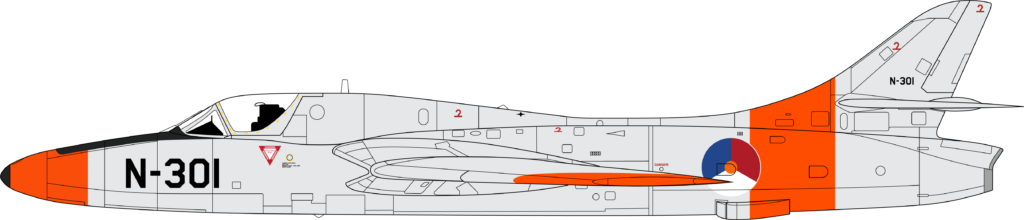
Figure 7: Side profile of N-301, Soesterberg Air Base, Royal Netherlands Air Force, 1968.
One area still under consideration is how to deal with the different panel/vent arrangement on the fuselage of the T.7 compared to the F.6/FGA.9. To make the project viable we are required to use the existing fuselage but we want to ensure the modeller is able to modify this area adequately if they wish to undertake a ‘full’ conversion. The difference comes about because of the different engines used; the two seaters were essentially converted F.4’s that used the Rolls-Royce Avon 100 series engine whereas the F.6 & FGA.9 used the Avon 200’s.
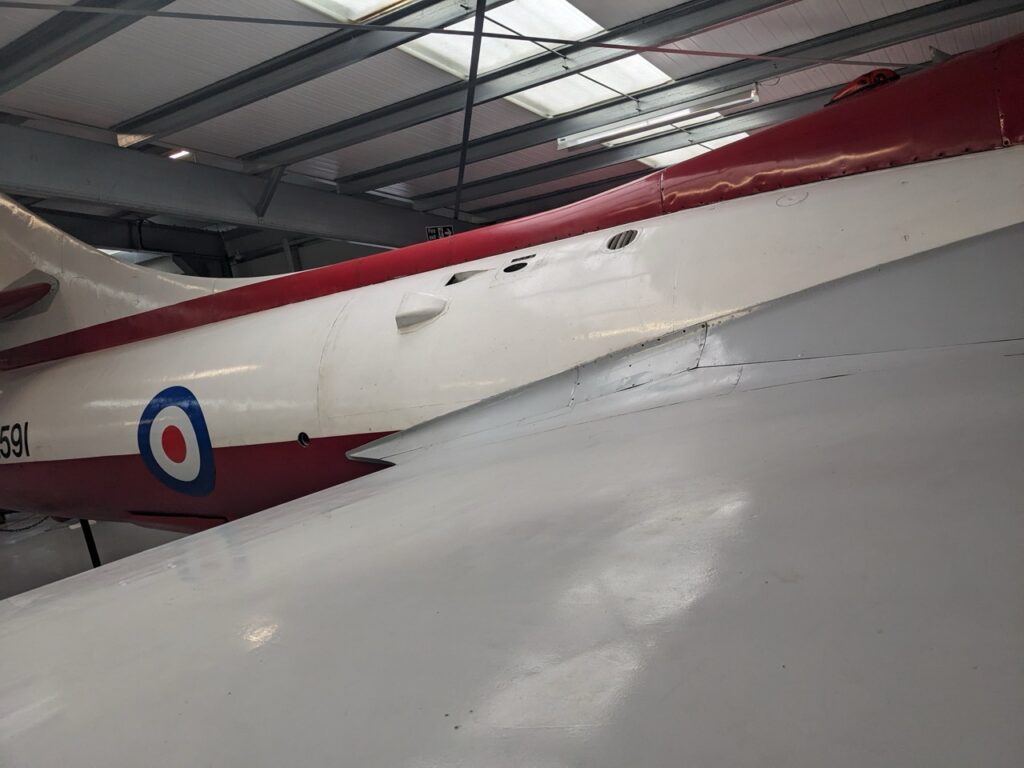
Figure 8: The vents in question.
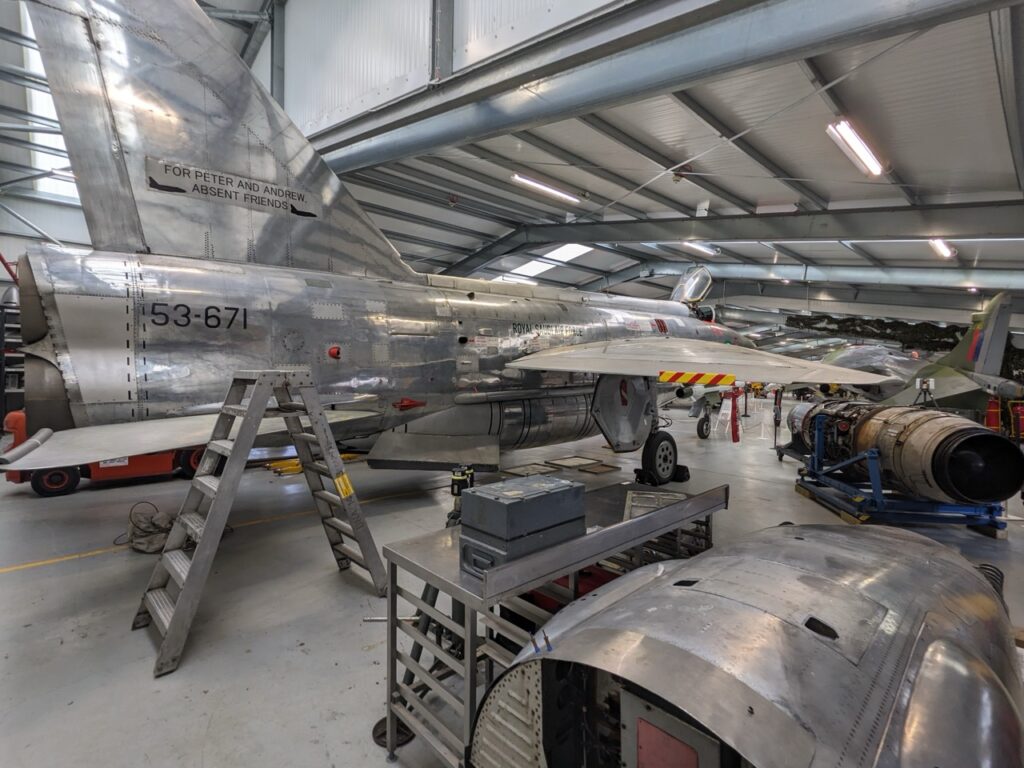
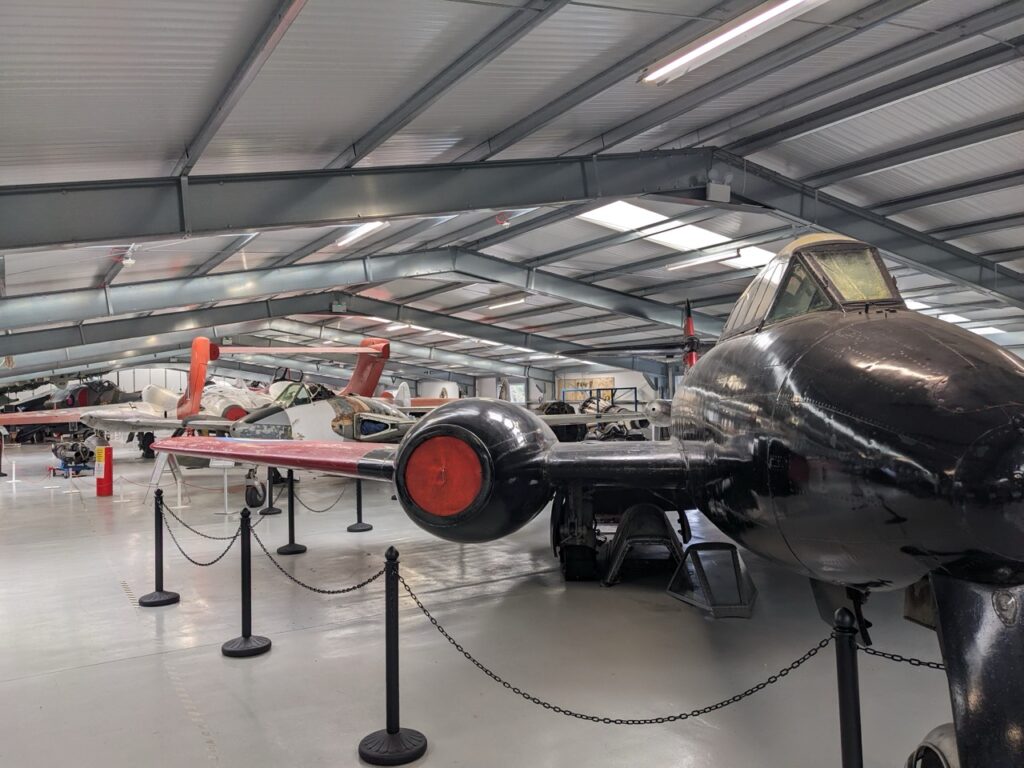
A huge thanks to Karen and the team at Gatwick Aviation Museum (https://www.gamc.org.uk/) for allowing us to visit their fantastic collection. If you are passing the area or have a few hours to burn before jetting off on holiday we would recommend popping in to see the great work they are doing to preserve their increasingly rare airframes. They have a number of airframes that run but the pièce de resistance has to be their Shackleton which has been with them since 1988 and continues to put on a show. The museum is planning to extend in the near future and there are hopes that the Shackleton may find itself under cover, fingers crossed!
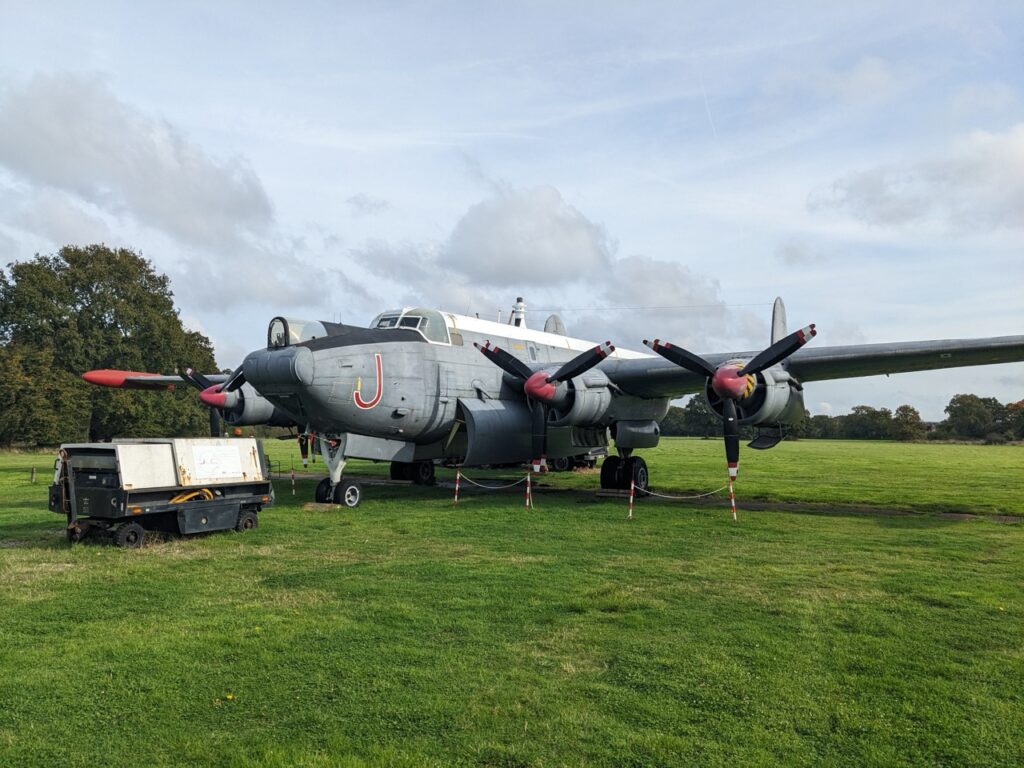
Figure 9: A selection of images of GAMC and some of their aircraft including the fabulous Lightning and Shackleton.
That’s all for this week, thanks for reading! We plan to keep you updated with these projects over the coming months and we’ll be announcing more in January. If you would like to pass on any knowledge or suggestions relating to the Hunter then please email info.de@carrera-revell.com with the subject ‘Hunter Reveal’, I will endeavour to read them all and respond where possible!